Top 10 European Coastal Cities: A Guide to Luxury and Heritage


10. Biarritz, France
Biarritz is a sophisticated blend of royal grandeur and free-spirited charm set against the rugged Atlantic coastline. This city enchants those who admire the ocean's power, fine dining, and Belle Époque architecture.
History
Biarritz evolved from a modest whaling village into the legendary “king of resorts.” The transformation began in 1854 when Empress Eugénie, wife of Napoleon III, established her summer residence here. She commissioned the majestic Villa Eugénie—now the Hôtel du Palais—sparking a trend that drew British, Spanish, and Russian royalty to the Atlantic coast. Throughout the 19th century, Biarritz flourished as a symbol of aristocratic elegance, blending high-society galas with scenic seaside strolls. By the early 20th century, the town redirected its focus toward the health benefits of ocean bathing. A new chapter opened in 1957 when California-style surfing reached European shores via Biarritz, injecting a modern, athletic energy into its heritage. Today, the town maintains a sophisticated balance between its imperial past and a vibrant sporting culture, standing as a premier jewel of the Basque coast.


9. San Sebastian, Spain
A global culinary landmark nestled between emerald peaks and the sweeping golden sands of La Concha Bay. San Sebastián offers a refined haven for epicureans and boutique luxury seekers.
History
San Sebastián, known as Donostia in Basque, transitioned from a strategic military outpost to a premier European destination. Historically a 12th-century port, it endured devastating sieges and fires, notably during the Napoleonic Wars in 1813. Its transformation into a sophisticated retreat began in the mid-19th century when Queen Isabella II popularized sea bathing here for health benefits. The Spanish nobility followed, sparking a wave of development featuring French-style architecture, grand casinos, and theaters. In 1893, Queen Maria Christina solidified the city’s prestige by building Miramar Palace as her summer residence. The 20th century cemented its global appeal with the launch of its famous film festival in 1953. Today, San Sebastián is celebrated not just for its storied past, but as a culinary powerhouse boasting a world-class concentration of Michelin-starred restaurants. It remains a unique haven where deep-rooted Basque traditions blend seamlessly with a vibrant, modern cultural identity.
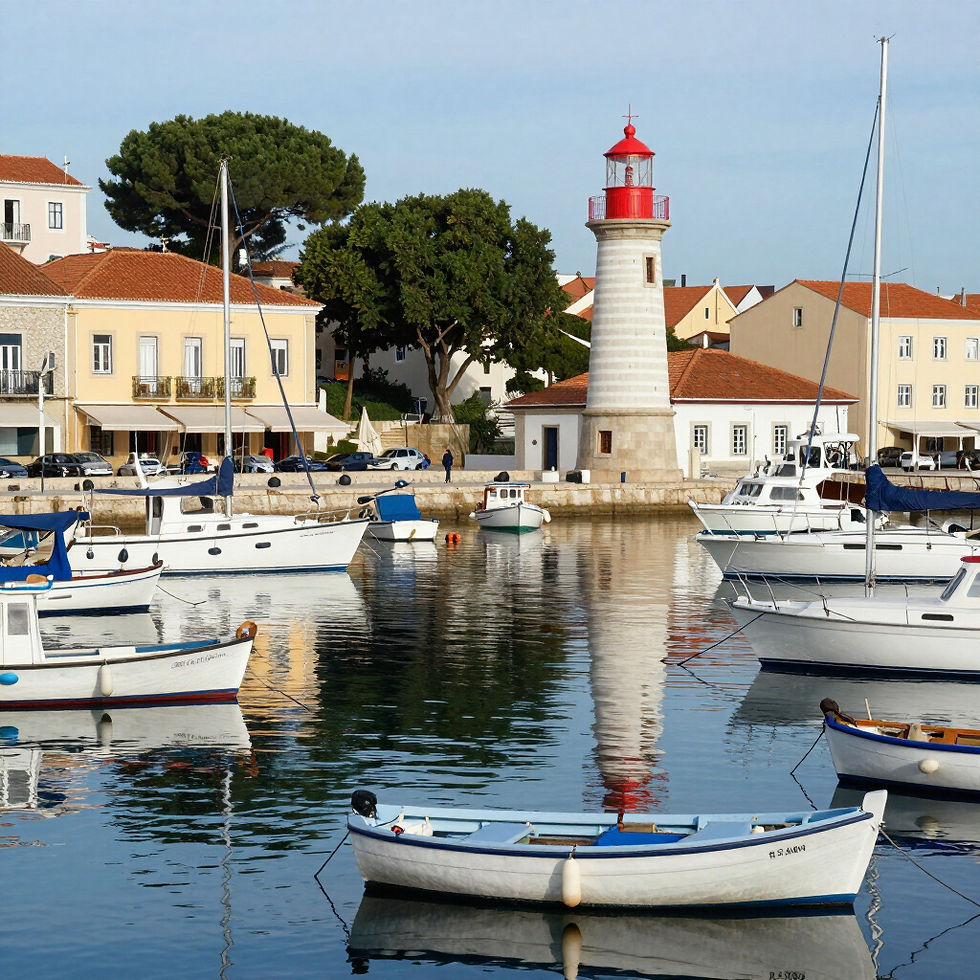

8. Cascais, Portugal
A breathtaking seaside sanctuary where timeless European heritage blends seamlessly with sophisticated luxury. Luštica Bay offers a perfect harmony of authentic coastal spirit and modern living on the Adriatic.
History
Cascais began as a modest fishing village on the Atlantic coast, serving as a vital defensive outpost for Lisbon due to its strategic position at the Tagus river mouth. In the 14th century, a fortress was built here, eventually evolving into a formidable citadel. Its transformation into a high-end resort took flight in 1870 when King Luís I designated the citadel as his summer residence, birthing the 'Portuguese Riviera.' This royal endorsement brought the nation’s nobility, the first electrical lighting in Portugal, and a railway connection to the capital. During World War II, neutral Portugal became a sanctuary for displaced European monarchs, turning Cascais into a 'town of kings in exile.' Hosting royalty from Italy, Spain, Romania, and Bulgaria infused the area with lasting aristocratic mystery. Today, Cascais remains one of Portugal's most prestigious enclaves, blending its nautical roots with an enduring legacy of refined luxury.


7. Sorrento, Italy
Perched above the Gulf of Naples with stunning Vesuvius vistas, this town is the heart of lemon groves. Sorrento embodies the Italian sweet life, blending salty Mediterranean winds with the bright scent of limoncello.
History
Sorrento is a city with ancient roots, a place where legends of sirens once lured sailors to its rugged limestone cliffs. Originally established by Phoenicians before becoming a Greek colony, the settlement flourished during the Roman era. Aristocrats built expansive villas here, captivated by the mild climate and stunning vistas. By the Middle Ages, Sorrento had evolved into a resilient independent duchy capable of repelling naval raids. Its modern reputation as a premier destination took hold during the 18th and 19th centuries, serving as a vital stop on the Grand Tour for Europe’s cultural elite. Literary giants like Byron, Goethe, and Dickens drew inspiration from its romantic atmosphere. In the 20th century, the city transitioned into a global tourist hub while meticulously preserving its authentic soul. Today, visitors can explore narrow medieval alleys, discover traditional wood-inlay workshops, and walk through the signature lemon groves that define the local economy. Sorrento remains an enduring symbol of Italian hospitality and coastal elegance.


6. Dubrovnik, Croatia
Commonly known as the Adriatic’s crown jewel, this city is protected by stunning historic fortifications. Dubrovnik stands as a magnificent open-air gallery where timeless heritage meets the vibrant turquoise sea.
History
The story of Dubrovnik, once known as Ragusa, is a testament to liberty and diplomatic ingenuity. Founded in the 7th century, it evolved into a powerful maritime republic that rivaled Venice for centuries. Its motto, "Liberty is not sold for all the gold in the world," defined its independent spirit, leading the city to abolish slavery as early as 1416. A golden age of art and science flourished in the 15th and 16th centuries before a catastrophic earthquake in 1667 forced a grand reconstruction in the Baroque style seen today. After the fall of the Republic to Napoleon and later Austrian rule, the city faced its greatest modern trial during the 1990s conflict. Now a UNESCO World Heritage site, Dubrovnik’s fully restored limestone walls and terracotta rooftops stand as a resilient symbol of Adriatic heritage, having never been breached by force.
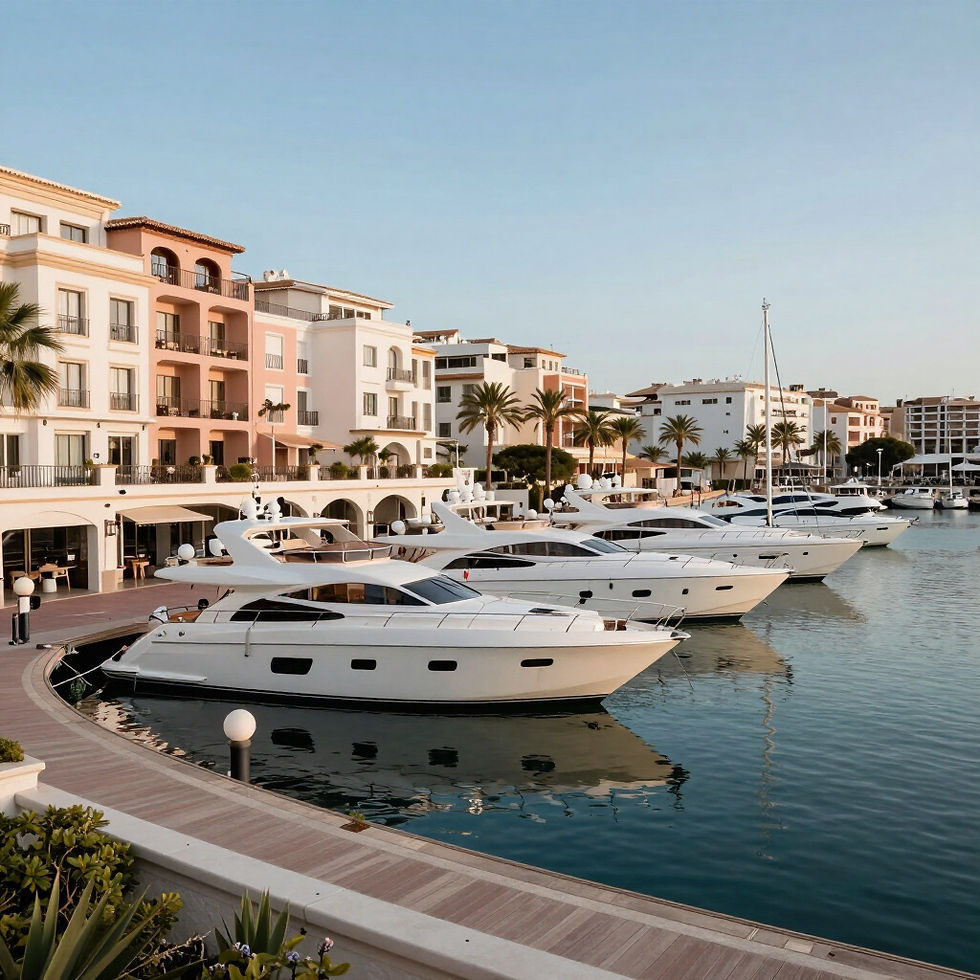

5. Marbella, Spain
A premier destination for sophisticated living on the Costa del Sol. Marbella delivers a masterclass in contrasts, pairing the high-octane glamour of Puerto Banús with the quiet, floral charm of its historic Andalusian old town.
History
Marbella underwent a remarkable evolution from a quiet agricultural and mining hub into one of the globe's most prestigious resorts. Its roots reach back to Roman times, evidenced by ancient villa ruins and thermal baths. During the Moorish era, the formidable Alcazaba fortress was constructed to defend the coast. Following the Reconquista in 1485, the town integrated into the Spanish Crown. Until the mid-20th century, it remained a tranquil spot known for iron mines. The turning point arrived in the 1940s when Prince Maximilian de Hohenlohe-Langenburg, captivated by the microclimate, opened the iconic Marbella Club in 1954. It quickly became a sanctuary for stars like Audrey Hepburn and Grace Kelly. The 1970 launch of Puerto Banús, a luxury marina for superyachts, solidified its glamorous status. Today, Marbella features the "Golden Mile" of elite villas and golf courses, yet preserves its soul in the whitewashed houses and Orange Square of its authentic Andalusian old town.

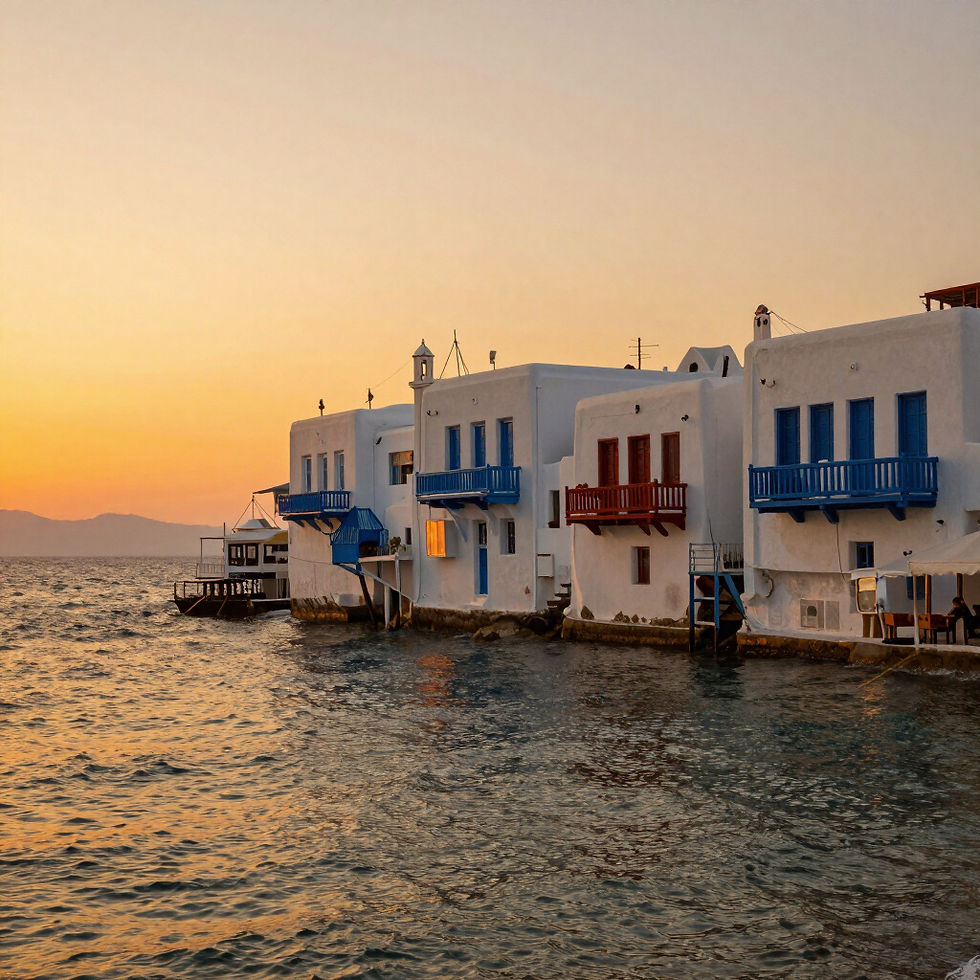
4. Mykonos, Greece
Experience the legendary Isle of Winds, where iconic whitewashed villas meet the vibrant turquoise of the Aegean Sea. This destination serves as a premier beacon of freedom, elegance, and high-end bohemian lifestyle.
History
Mykonos traces its origins to Greek mythology, where it was said to be formed from the petrified remains of giants defeated by Hercules. For centuries, this arid island served as a vital maritime hub due to its proximity to the sacred sanctuary of Delos. Under Venetian and later Ottoman rule, life remained a struggle for its seafaring residents, leaving behind the charming architecture of 'Little Venice.' The island’s path to global fame began in the 1930s when intellectuals and archaeologists used it as a gateway to nearby ruins. However, the real transformation occurred in the 1950s and 60s, sparked by high-profile visits from figures like Aristotle Onassis and Jacqueline Kennedy. Mykonos soon became a bohemian sanctuary for artists and celebrities who embraced its minimalist white-washed aesthetics and spirit of total freedom. Today, while famous for its luxury beach clubs and vibrant nightlife, the island retains its Cycladic soul through quiet Byzantine chapels and iconic windmills.
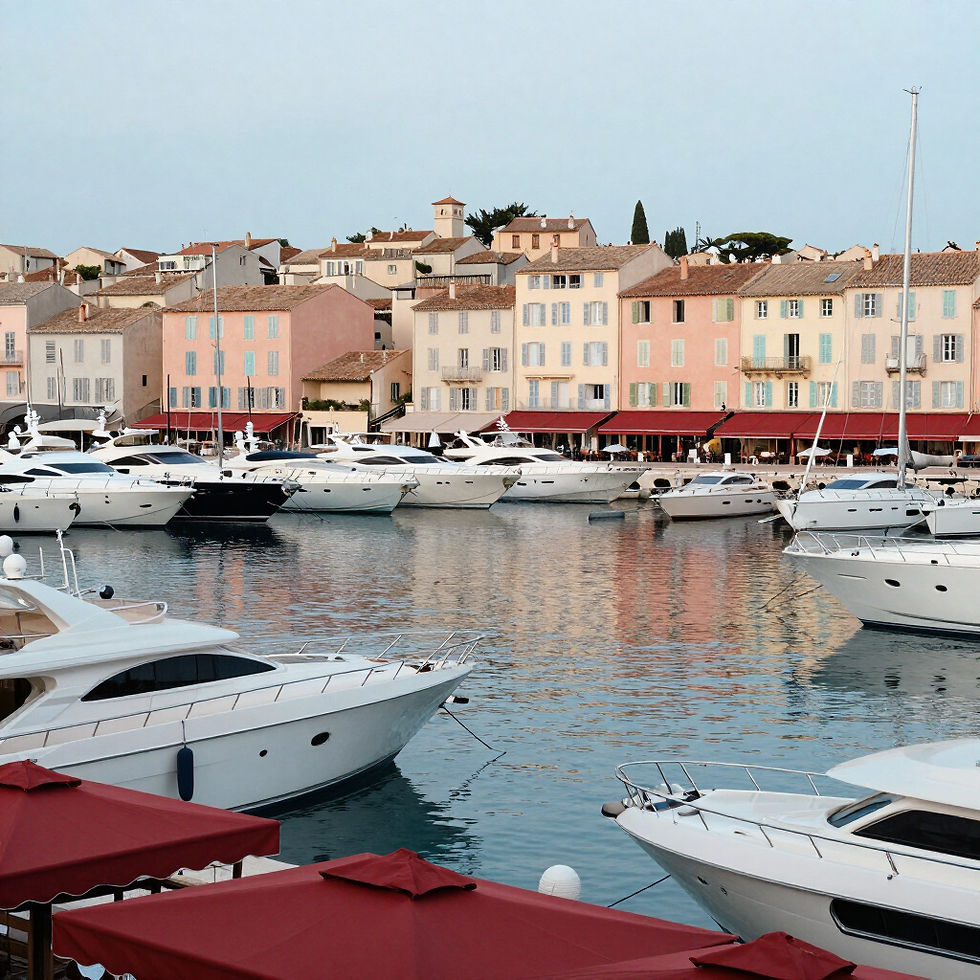

3. St. Tropez, France
This iconic French Riviera destination is a premier global beacon of high-end fashion and opulence. It masterfully unites authentic Provençal heritage with the shimmering allure of luxury yachts and elite social gatherings.
History
Until the mid-20th century, Saint-Tropez was a quiet fishing village defined by maritime trade and its namesake, St. Torpes. Its artistic allure began in the late 19th century when Paul Signac arrived, followed by masters like Matisse. However, the true turning point came in 1956 with Roger Vadim’s film 'And God Created Woman' starring Brigitte Bardot. The movie’s success and the untamed beauty of Pampelonne beach transformed the town into a global symbol of fashion, sexual revolution, and bohemian freedom. It soon became a magnet for international celebrities and billionaires. Despite its high-profile status, the village preserves its genuine Provençal heart. Locals still play pétanque in Place des Lices, and the golden-hued facades and narrow alleys leading to the 17th-century citadel remain untouched. Today, Saint-Tropez represents a unique duality: a glamorous facade masking a deeply rooted, traditional soul meticulously guarded by generations of Tropezians.


2. Amalfi, Italy
A radiant pearl of the coastline where dramatic cliffs plunge into the Tyrrhenian’s crystalline blue. Amalfi thrives as a marvel of terraced architecture, reflecting the enduring prestige of a once-mighty maritime power.
History
The legacy of Amalfi is defined by its standing as the first of Italy’s four great Maritime Republics. Between the 9th and 11th centuries, this coastal powerhouse dominated Mediterranean trade, forging vital links with Byzantium and Egypt. Its mariners are credited with introducing the compass to the West, while the 'Tavole Amalfitane' served as the definitive maritime legal code for centuries. This era of prosperity is immortalized in the Saint Andrew Cathedral, a masterpiece featuring intricate mosaics and Saracenic design. Following a Norman conquest and subsequent raids by Pisa, a massive 14th-century tsunami largely ended its maritime reign. The city entered a period of quiet isolation, which fortunately preserved its medieval labyrinthine layout. By the 1800s, Romantic-era travelers rediscovered its dramatic cliffs and azure waters. Today, this UNESCO World Heritage site remains famous for its 'bambagina' handmade paper—a testament to its ancient Eastern connections and enduring craftsmanship.


1. Nice, France
The jewel of the French Riviera, Nice artfully bridges imperial nobility with a spirited Mediterranean soul. Experience the iconic Promenade des Anglais and a historic old town bathed in the ethereal light that has long captivated masters of art.
History
Established by the Greeks in the 4th century BCE and dedicated to Nike, the goddess of victory, Nice spent centuries as a coveted prize contested between Provence and the House of Savoy. It was not until 1860 that the city formally integrated into France. Its evolution into Europe’s premier winter sanctuary began in the late 18th century, driven by English aristocrats seeking refuge from British fog. These visitors funded the 1822 construction of the iconic Promenade des Anglais. Following the British, Russian royalty and global elite flocked to the coast, leaving a legacy of opulent palaces and grand hotels like the Negresco. In the 20th century, the city’s unique, vibrant light drew masters like Matisse and Chagall, cementing its status as a cultural capital. Today, Nice retains its cosmopolitan allure, where the historic cobblestones of the Old Town meet the elegance of the Belle Époque, defining the very essence of the French Riviera.